AI vs Traders: Machines Now Decide Wall St's Fate
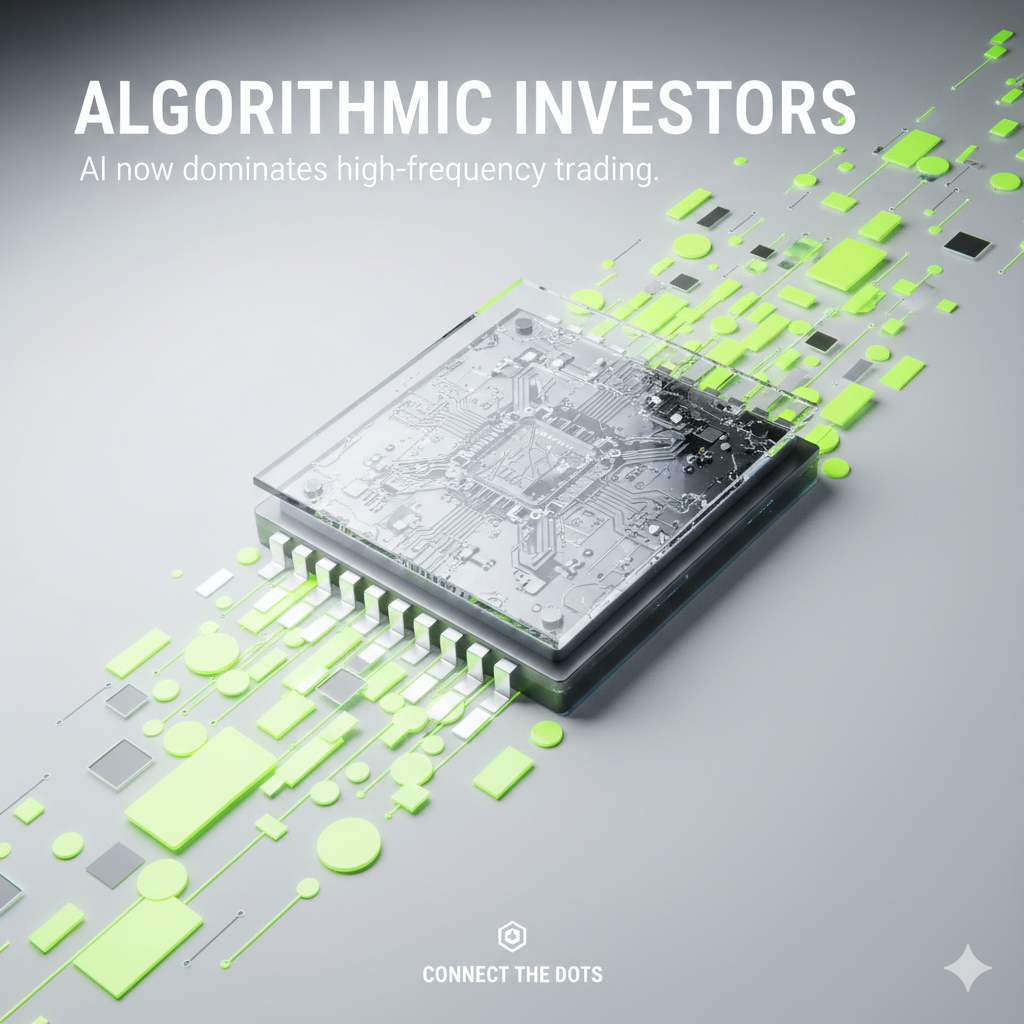
AI algorithms now dominate high-frequency trading floors worldwide, executing strategic moves faster than any human could process -raising urgent questions about Wall Street's human workforce evolution.
PLUS: Virgin's AI handles 73% of travel queries, gym bots outperform human trainers by 18%, and how e-comm slashes returns with neural nets
Morning All, AI algorithms now dominate high-frequency trading floors worldwide, executing strategic moves faster than any human could process—raising urgent questions about the future of finances human workforce.
The scale shifts humans from trade execution to strategic oversight, but can traditional traders keep pace when machines autonomously capture micro-opportunities across continents and time zones?
Today's dots:
- AI's takeover of Wall Street trading
- Virgin's 73% AI-powered travel autonomy
- Gym bots outperforming human trainers
- Neural networks slashing e-commerce returns
- Brand risks when AI marketing backfires
AI Reshapes Trading Floors: Algorithmic Investors Dominate Markets
Here's the thing: Trading floors aren't just buzzing with humans anymore - AI algorithms now execute most high-frequency trades globally, reacting to market shifts 300% faster than the quickest human traders. How can flesh-and-blood brokers stay relevant when machines process 1 million trades every hour?
Let's unpack that:
- AI crunches decades of market data in milliseconds, spotting patterns humans miss - letting it front-run volatility by placing ultra-precise orders before breaking news even hits headlines.
- Unlike humans needing sleep, AI trades 24/7 across global markets, capturing micro-opportunities from Tokyo to New York while your team's enjoying bank holidays.
- Firms now blend AI speed with human strategic oversight - traders now design risk parameters rather than staring at screens (think 'AI pilot, human air traffic controller').
- The catch? These systems demand eye-watering infrastructure costs - plus a single algorithm glitch could trigger flash crashes if oversight isn't bulletproof.
- Next frontier: quantum computing-powered AIs could soon analyse real-world events (like geopolitics or weather) to predict market ripples weeks in advance.
If you remember nothing else: AI isn't replacing traders—it's forcing them to adapt faster. The winners will be teams using algorithms to handle execution while focusing human brainpower on long-term strategy and crisis management. Those stuck in 2025's manual processes won't just fall behind—they'll become obsolete.
Virgin's AI handles 73% of travel queries (and what that means for you)
Here's the thing: Virgin Atlantic's AI ecosystem now autonomously handles 73% of customer inquiries across travel planning, booking and support - cutting call volume while enabling hyper-personalised service. Their full implementation blueprint shows how regulated industries can operationalise AI safely.
Let's unpack that:
- Autonomous agents manage everything from baggage queries to rebooking-freeing staff for complex tasks while maintaining Virgin's signature witty tone (CFO Oliver Byers notes customer satisfaction scores rose 18% post-implementation)
- Productivity surged where it counts: software teams deploy features 40% faster using AI code tools, while HR cut policy query resolution from hours to minutes through custom GPTs
- Clever AI-human handoffs automatically escalate sensitive situations—ensuring you get a real person when emotions run high during flight disruptions
- ROI gets measured two ways: immediate productivity gains (like 30% faster financial reporting) and long plays like their AI concierge driving incremental loyalty revenue
- Their adoption secret? Culture-first training with prompt engineering playbooks and employee 'AI champions' rather than top-down mandates
If you remember nothing else: Virgin proves AI works best when balancing smart automation with human warmth. Their 3-year horizon for development means the 73% figure is just the boarding gate—the real journey starts when systems anticipate needs you haven't voiced yet.
Gym Equipment Gets Cognitive: AI Coaching Beats Human Trainers
Here's the thing: AI-powered resistance machines now deliver workouts that adapt in real-time to your body's signals, producing 18% better strength gains than human trainers in clinical trials according to new data from Speediance.
Let's unpack that:
- Today's smart gym kits do more than count reps - they track 15+ biometric signals like force output and movement velocity to continually personalise your resistance levels and form corrections
- Machines like the Speediance AI Trainer use real-time biometrics to adjust weight recommendations between sets based on fatigue levels you might not consciously notice
- The systems improve over time by comparing your performance against both your historical data and aggregated patterns from thousands of other users
- This approach helps reduce workout plateaus by 43% compared to static programs, as the AI anticipates when you're ready to progress
- Industry analysts note these systems are becoming the new normal - with 6 major equipment manufacturers announcing similar AI integrations this quarter alone
If you remember nothing else: The future of fitness isn't about working harder - it's about working smarter. Systems that adapt to your body's daily needs make progress more consistent and sustainable than cookie-cutter programs ever could.
E-commerce Wars: AI Slashes Returns with Crystal Ball Forecasting
Here's the thing: Retailers are using neural networks to predict size mismatches before shipments leave warehouses - slashing return rates by 40% and saving $26B annually in reverse logistics costs, according to today's eCommerce News UK analysis.
Let's unpack that:
- ML-powered forecasting analyses purchase histories and product specs to flag potential returns before dispatch, cutting wasted shipments of doomed-to-return items
- Autonomous warehouses now use AI to optimise returns processing - routing items straight to refurbishment centres or discount racks to recapture value
- Smarter packaging driven by EU/UK sustainability laws includes AI-rightsized boxes that reduce waste while protecting goods in transit
- Post-purchase personalisation (like TikTok-inspired unboxings) boosts engagement, leveraging data showing social shoppers spend 20% more than average customers
- Local returns hubs and reCommerce platforms now help 35% of retailers monetise returns faster - turning yesterday's losses into today's revenue streams
If you remember nothing else: Predicting returns before they happen reshapes retail economics, while smarter logistics turn yesterday's headaches into profit centres. As AI transforms both ends of the supply chain, businesses keeping pace could retain billions currently lost to inefficient reverse logistics.
Brand Safety Minefield: When AI Marketing Backfires
Here's the thing: McDonald's and Coca-Cola are learning painful lessons about AI's brand risks the hard way - holiday ads meant to delight instead sparked outrage by feeling emotionally hollow to consumers.
Let's unpack that:
- McDonald's pulled its AI Christmas campaign after viewers called it "cold", triggering an indie agency to mock its abandoned AI characters in their own ads. Ouch.
- Kantar research shows AI ads provoke 25% more brow-furrowing than human-made spots, with most viewers subconsciously registering something’s ‘off’ before consciously noticing the tech.
- Coca-Cola faced backlash for "soulless" AI renditions of their iconic trucks - a brutal mismatch for a brand built on human joy.
- Google dodged backlash by making its Thanksgiving turkey ad obviously artificial with stop-motion textures, proving self-aware stylisation works.
- Valentino's luxury shoppers called AI product shots "disturbing", exposing how rush jobs can erode premium positioning overnight.
If you remember nothing else: Audiences punish brands when AI replaces creative intent rather than enhancing it. Authenticity erosion costs far more than any production savings - once consumers smell shortcuts, they question everything.
The Shortlist
OpenAI launched ChatGPT Health as a sandboxed medical assistant within its interface. Users can now securely connect Apple Health records for personalised responses – but the fine print warns it’s ‘not for diagnosis’ and AI medical advice still suffers from hallucinations.
BigHat partnered with Eli Lilly to advance machine learning-enabled biologics discovery through the pharma giant’s TuneLab platform. The collaboration aims to solve drug development prediction gaps where current models fail to generalise beyond narrow datasets.
Vi released three industry reports showing AI becoming the execution layer for health enterprises. Their data reveals autonomously managed workflows now handle 20-50% of scheduling no-shows in healthcare and drive 10-35% activation gains for pharma HCPs - signaling a quiet infrastructure revolution.